



Founded By Chant Wagner, The Online & In-The-Field Perfume & Visual Cultures Expert since 2006. Dedicated to making the world see, sniff & smell good.

Custom Search
Chanel Unveils New Commercial for Upcoming Gabrielle Fragrance {Perfume Images & Ads}
Chanel is gradually unveiling a landmark advertising campaign for the house entitled The Year of Gabrielle, which we evoked yesterday. Today, part of a short film dedicated to portraying the founder of the brand Mademoiselle Chanel and entitled "Gabrielle...Featured Blog Posts
-

Worth Paris x Disney Belle // Ticking Rose (2017) {Perfume Review & Musings}
-
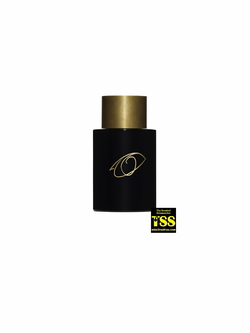
ALBER ELBAZ PAR FREDERIC MALLE Superstitious // Refashioning Fragrance (2017) {Perfume Review & Musings}
-
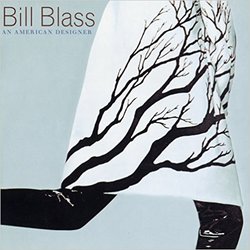
BILL BLASS Nude (1990 / 2011) // Smoke & Mirrors & Post WWII Derring-Do {Perfume Review & Musings} {Fashion Notes}
-
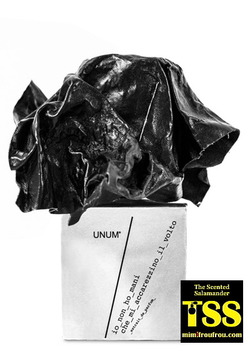
UNUM Io Non Ho Mani Che Mi Accarezzino Il Volto Scents a Series of Photographs on Playful Priests (2017) {New Fragrance}
Latest Blog Posts
-
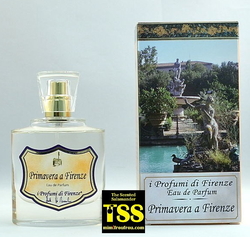
Profumi di Firenze Primavera a Firenze (2017) {New Fragrance}
Niche Italian and Florentine perfume house Profumi di Firenze released a new composition called Primavera a Firenze, a twist on the expected fresh springtime scent...... -
-
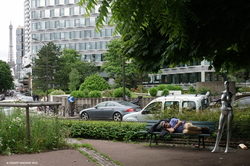
Napping by the Eiffel Tower // La sieste près de la tour Eiffel {Paris Street Photography}
Napping by the Eiffel Tower // La sieste près de la tour Eiffel © CHANT WAGNER 2016 This is one of those "Paris toujours" (Paris Forever) and "Paris je t'aime" (Paris I love you) photos, which are a quiet... -
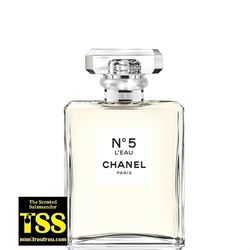
Chanel No. 5 L'Eau (2016) // How to Make a Perfume Relevant Again {Perfume Review & Musings}
In 2016, Chanel launched No. 5 L'Eau, a renewed attempt at stripping the house classic of its more intimidating aspects. In an era when foody, gourmet scents rule the day, you have to make a very special effort to... -
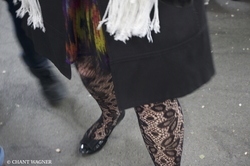
Dancey Step IV - Fishnet Stockings // Pas dansant IV - Bas résilles {Paris Street Photography}
Dancey Step IV - Fishnet Stockings // Pas dansant IV - Bas résilles © CHANT WAGNER As a field anthropologist, I've always been interested in documenting human movements with a camera - and had to, methodologically speaking - while... -
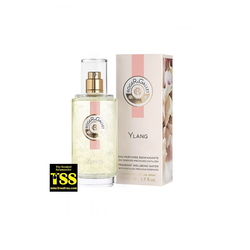
Roger et Gallet Ylang (2017) {New Fragrance}
French heritage para-pharmacy brand Roger et Gallet Est. 1826 is launching a new perfume this summer baptized Ylang...... -
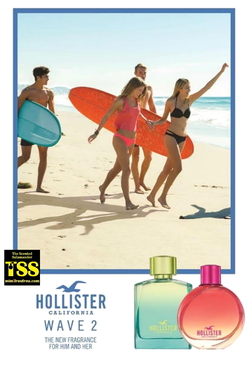
Hollister Wave 2 for Her & Him // The Cali Way of Life (2017) {New Fragrances} {Perfume Images & Ads}
American fashion brand for tweens Hollister launched a duo of fragrances called Wave 2 for Her and Wave 2 for Him, which are dedicated to embodying the So Cal way of living in youth...... -
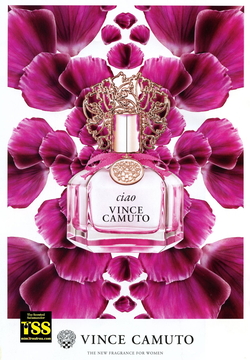
Vince Camuto Ciao (2016) {New Fragrance}
Last year in 2016, American designer Vince Camuto released a new fragrance for women called Ciao, which is dedicated to illustrating the flux in a woman's life today...... -
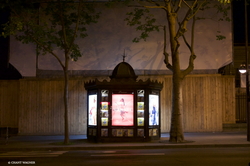
Dancey Step III // Pas dansant III // Claudia Cardinale's Cannes Festival Poster at Night {Paris Street Photography}
Dancey Step III // Pas dansant III - Claudia Cardinale's Cannes Festival Poster at Night © CHANT WAGNER The Festival de Cannes is opening today. To mark the occasion, here is a photograph I made at night of a...
Recent Comments