




Symrise Exhibit: The Future of Fragrance in Russia {Scented Paths & Fragrant Addresses}
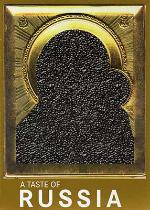
Symrise is organizing an exhibition dedicated to the better understanding of contemporary fragrance culture in Russia called The Future of Fragrance in Russia or alternatively, A Taste of Russia.
According to Perfumer & Flavorist Now,
For women, floral-fruity scents are traditionally popular, while chypre and floriental fragrances are just emerging. Consumers tend to prefer citrus notes for the freshness they impart, while fruity notes are a “must.” Conversely, women tend to dislike rich, opulent, classical and excessively heavy scents.......
Russian men, meanwhile, are open to many scents. The top fragrance types in this segment are fougere, woody and citrus. There is virtually no demand for oriental or chypre scents, though there is interest in jasmine and orange blossom fragrances.
The exhibition is taking place in Clichy-la-Garenne near Paris:
Symrise Paris Scent & CareRead more about the details of the exhibit......
15 rue Mozart
92110 Clichy-la-Garenne
France
Tel. +33-1-5546 2700
Fax: +33-1-5546 2875

Wow, such a fantastic topic to explore, especially as so much focus that is nation-specific seems to dwell only on American or French tastes. Neat.
I was struck in particular by the mention that Russian women do not seem to enjoy heavy scents because in the past I had encountered some heavily textured Soviet/Russian perfumes! Also they love to wear fur in the cold season so one would think that deeper perfumes might go well with that material.
It's true that the French and American are often mentioned. Having said the Asian market is also often referred to and Japanese tastes often quoted as being very different from European and American ones.